Holcim Foundation: How Manchester is Working With Water
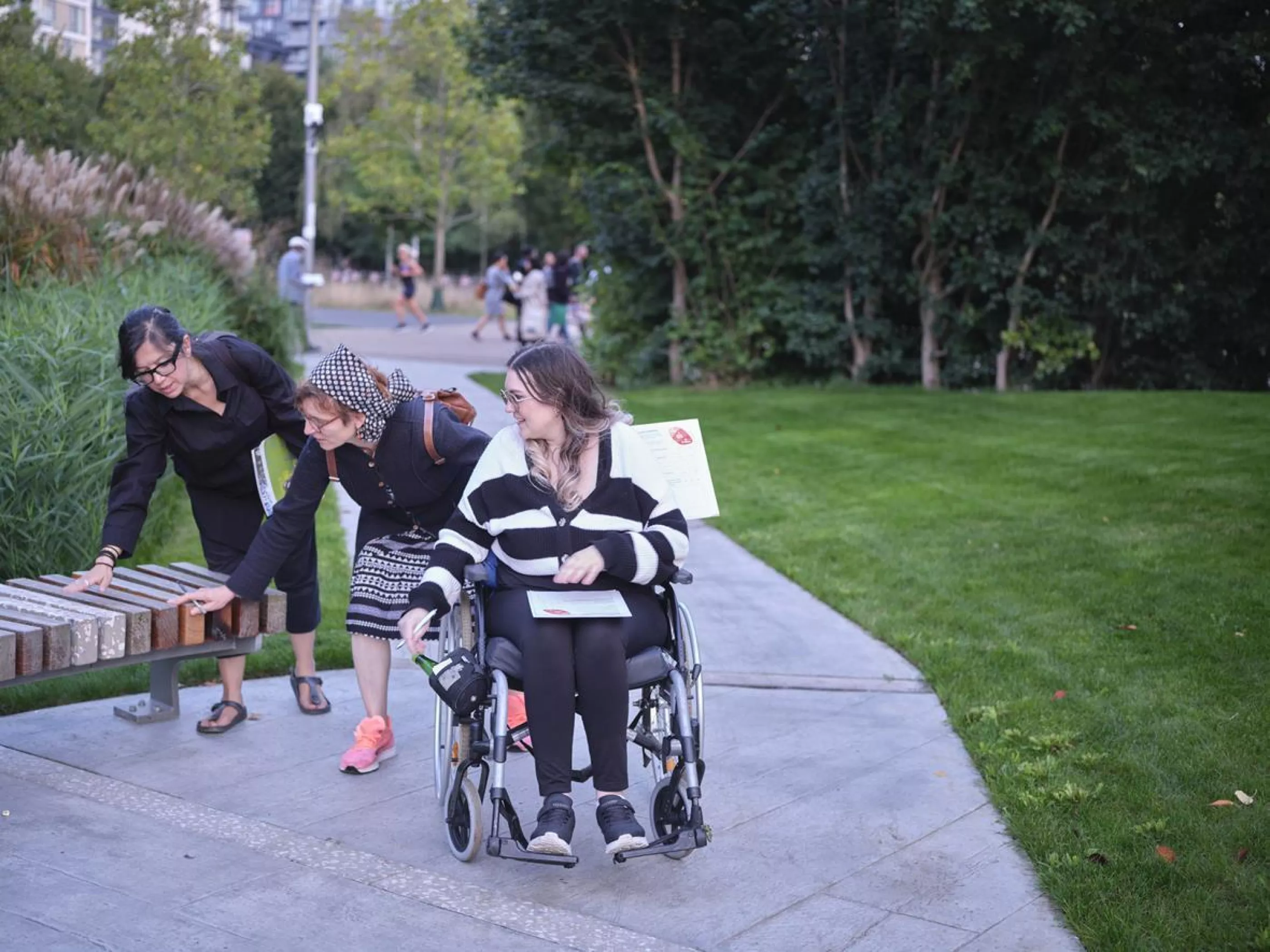
Over the past five years, thousands of local residents, businesses, community organisations and stakeholders have helped shape the vision for Earls Court. From early masterplan workshops and more than 20 Design Review Panels, to over 200 pre-application meetings, extensive consultation, open-door Community Hub and dedicated Public Realm Inclusivity Panel (PRIP), local voices have played a central role in shaping both the masterplan and the sitewide Design Code.
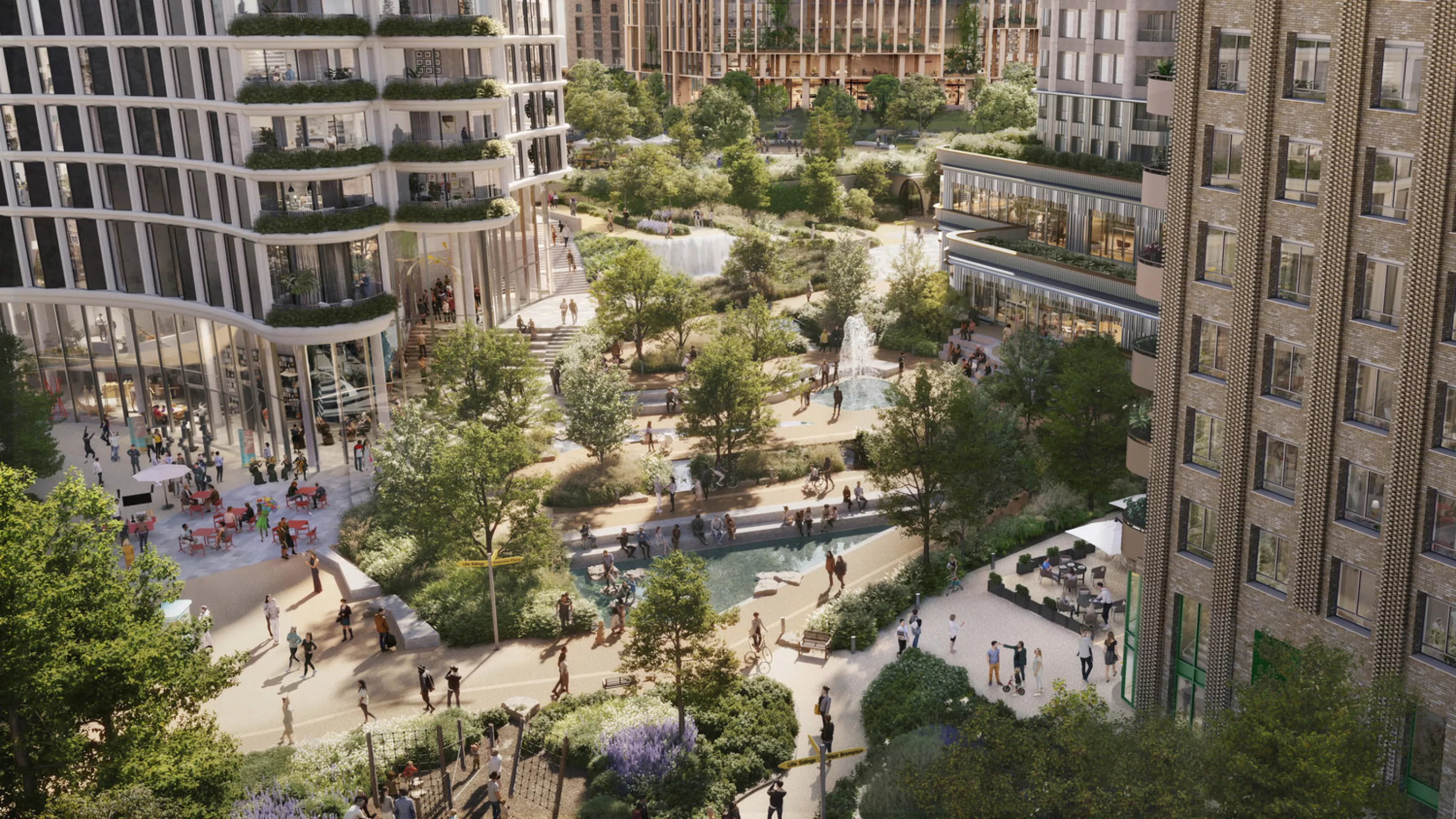
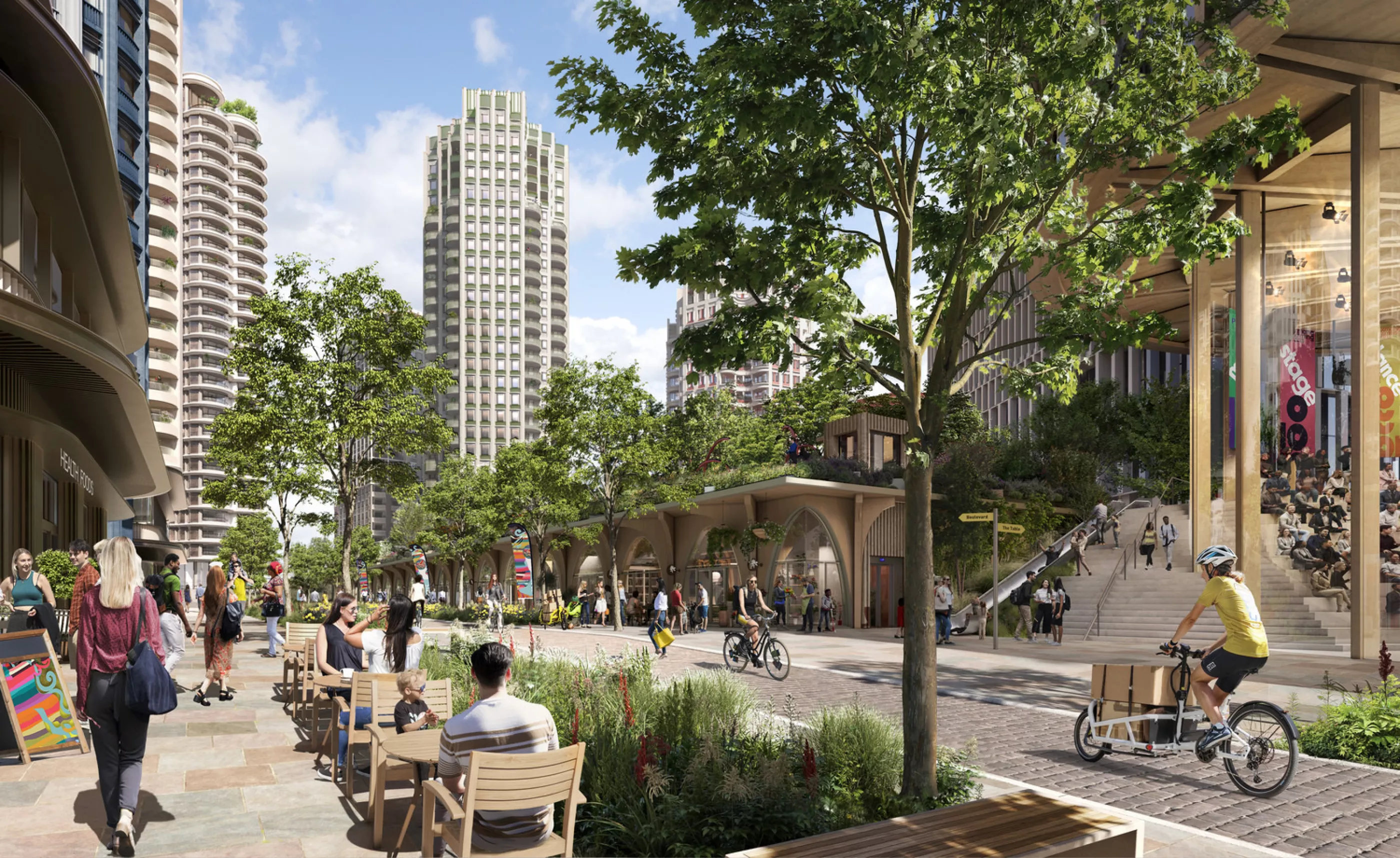
The result is a long-term framework that reconnects neighbourhoods, prioritises inclusivity and climate resilience, and shows what can be achieved when communities are involved from the outset.
The recognition for stakeholder engagement reflects the collective effort, time and input from many, lead by our inspiring & comitted client The Earls Court Development Company alongside Hawkins\Brown, ZCD Architects, LCA, Kanda Consulting and SLA.
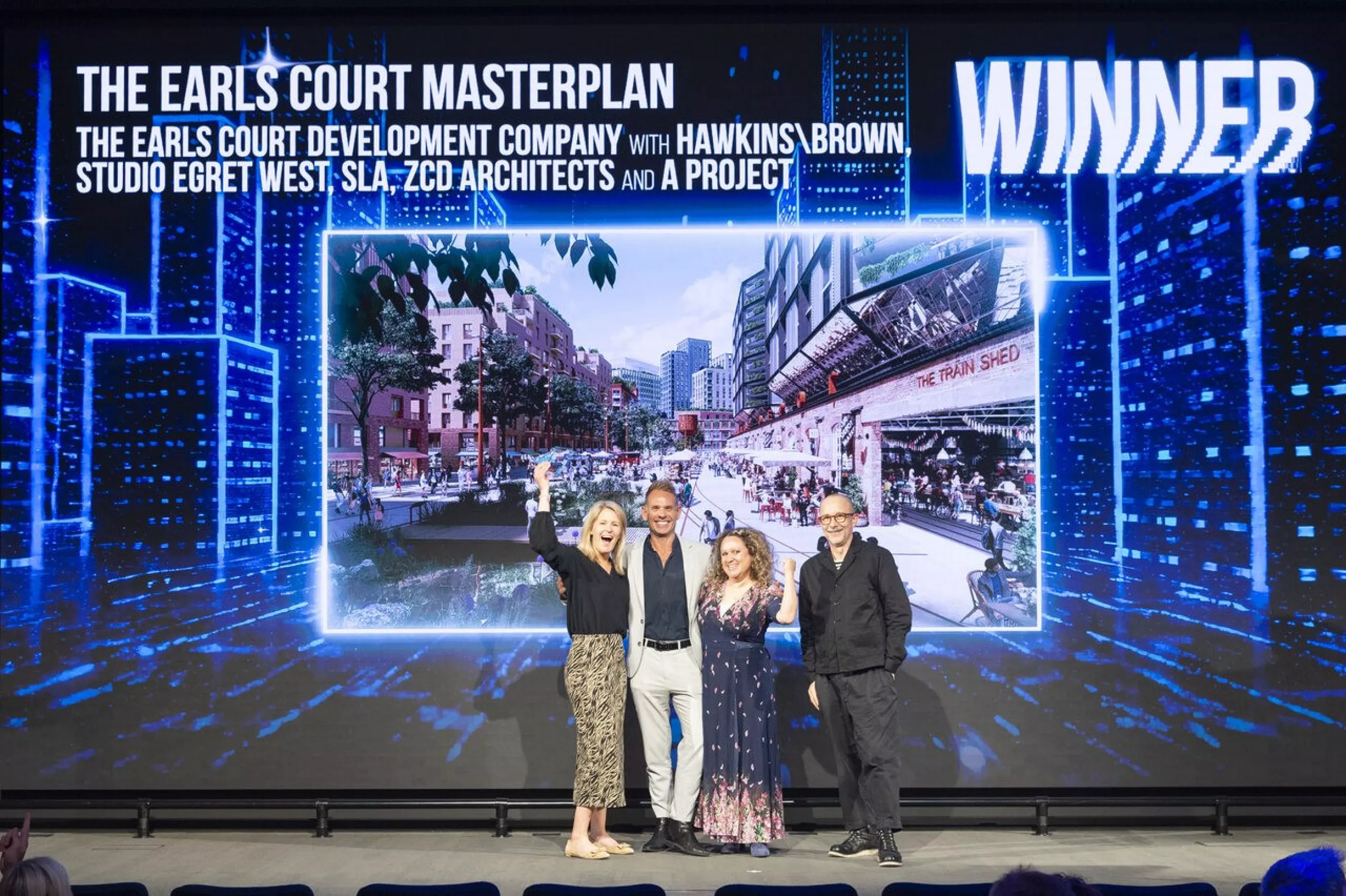
Comments from the Judges
Design Excellence
The judges said the winner in this category's bold transformation shows what is possible when ambition, collaboration and true community engagement come together to create something absolutely extraordinary. The project successfully reuses a large brownfield site by successfully reconnecting historically separated parts of West London through sustainable, accessible design and pleasant pedestrian routes. Furthermore, the team established a strong collaborative approach to engagement, going above and beyond by setting up a Public Realm Inclusivity Panel to embed safety and accessibility directly into the design code. This approach to inclusive community engagement serves as a replicable model.
Stakeholder Engagement
The judges singled out this winner's deep community collaboration as a standout strength, setting an approach they believe should be replicated far and wide. The project demonstrates a good method for comprehensive, long-term stakeholder engagement that successfully turned a history of community apprehension into a positive planning outcome with widespread public support. Furthermore, the team established a good collaborative approach through mechanisms like the Public Realm Inclusivity Panel and localised learning hubs. These initiatives upskilled residents and directly influenced the design code, resulting in key changes to building massing and a substantial increase in public open space.